Traditional Plastering in Harewood Village
Lime plastering and careful repair for the estate cottages and lodges of Harewood, where traditional materials and a light touch keep old walls and ceilings in good order.
Harewood · LS17
Estate cottages along the A61
Harewood is a planned estate village, with rows of stone cottages lining the A61 near the crossroads with the A659 and lodges standing at the park gates. Many of these buildings are listed and the village sits within a conservation area. They were built in stone with thick solid walls, and the interiors were finished in lime plaster on the masonry and on timber laths overhead.
Buildings like these were designed around breathable materials. Moisture moves in and out of the stone, and the lime plaster on the inside moves with it. That is why lime is the normal approach here, not a special extra. Where previous owners used gypsum or cement-based patches, the difference often shows as staining, cracking or plaster that has started to come away from the wall.
Caring for lime walls and lath ceilings
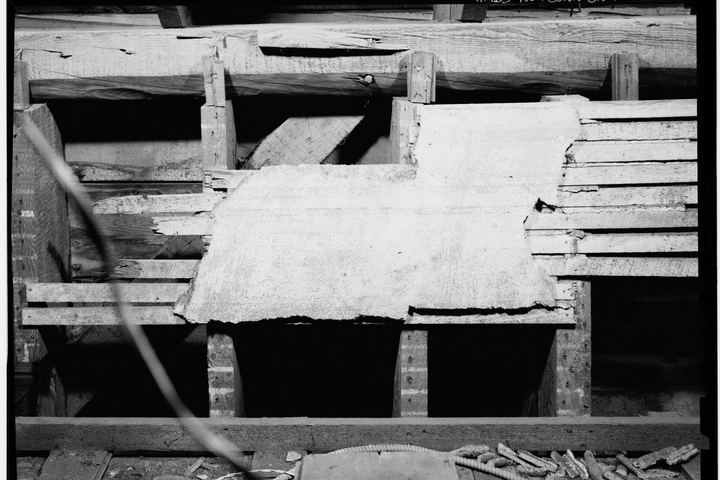
Typical work in Harewood cottages involves repairing patches of failed lime, removing hard modern plaster that is trapping moisture and replacing it with lime, and securing old lath and plaster ceilings. Where a ceiling is largely sound, loose areas can be refixed and cracks repaired in lime, keeping the original fabric. Larger failures are repaired with new laths and lime where that is appropriate for the building.
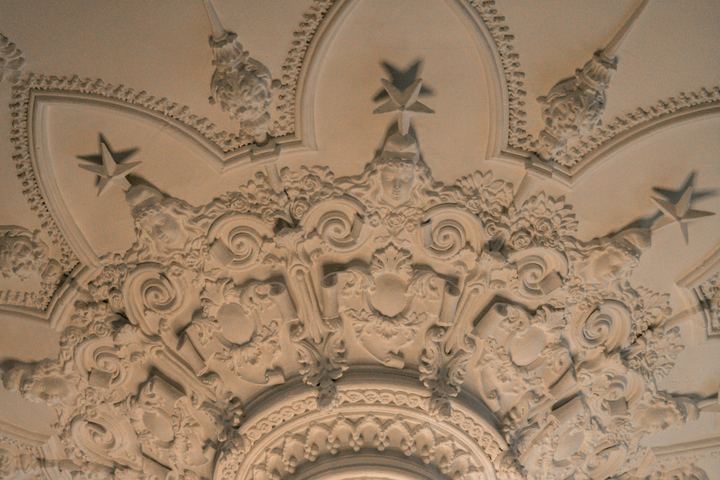
If a wall is damp, the reason must be found and dealt with before replastering, whether that is gutters, pointing or ground levels outside. Chemical damp systems are not something we offer, and in buildings of this type they are often unsuitable. Decorative details such as cornices, ceiling roses and old window reveals are repaired to match, so the room keeps its proportions and character.
Listed building consent and how we plan the work
For a listed building, consent can be required for internal changes as well as external ones, including some replastering and the removal of historic fabric. It is the owner's responsibility to check with the council's conservation team before work begins. We can describe the proposed materials and methods clearly so you have what you need for that conversation, and we work to any conditions set.
Lime work needs patience. Coats are applied thinly and allowed to cure, and the plaster has to be protected from drying out too quickly. Cottages here are compact, so we protect floors and joinery well and keep the work tidy. We start with a visit to understand the building, then send a written quote setting out each area and the materials proposed.
Also in Harewood
Everything else we do
Next door
Areas nearby
FAQs
Plastering in Harewood: questions
Do I need consent to replaster a listed cottage in Harewood?
Possibly. Internal works to a listed building, such as stripping historic plaster or changing materials, can need listed building consent. Check with the council's conservation officer before starting. We can provide a clear description of the materials and methods we propose to support that discussion.
Why is lime the usual choice in Harewood homes?
The cottages in Harewood are built with solid stone walls that need to breathe. Lime plaster allows moisture to pass through and dry out, while gypsum and cement can trap it and cause staining and decay. Using lime also matches the original construction of the buildings.
Can you save an original lath ceiling instead of replacing it?
Often, yes. If the laths and most of the plaster are sound, loose areas can be secured and cracks repaired in lime. Where sections have failed, they can be relathed and replastered in lime. We assess how much is worth keeping before suggesting any replacement.
Will lime plaster make the room take longer to finish?
Yes, lime cures more slowly than modern plaster and goes on in several coats, so the programme is longer. It also needs a breathable paint once dry. We explain the stages and likely timings on the visit, so you can plan decoration and furniture around them.