Plastering in Otley Below the Chevin
Plastering for Otley's gritstone houses, from cottages in the yards off the Market Place to later terraces and semis, with lime used where old solid walls need to breathe.
Otley · LS21
Gritstone cottages, yards and town-centre terraces
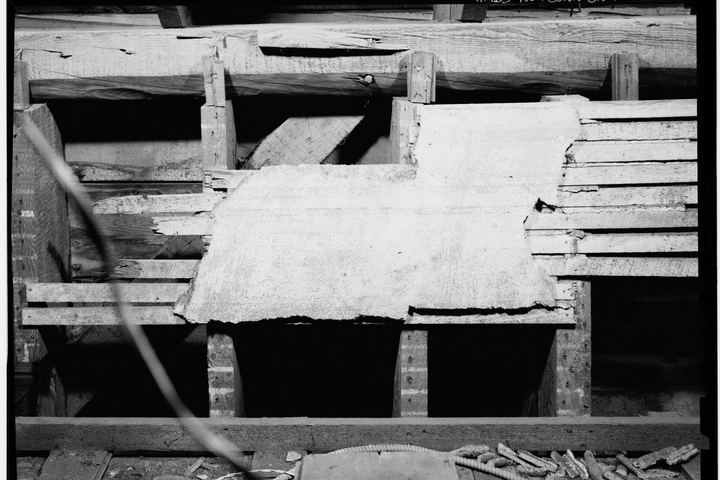
Otley is an old market town on the Wharfe, sitting beneath the Chevin, and its centre is built mainly of local gritstone. Around Kirkgate, Boroughgate and the yards off the Market Place, many houses and cottages date from the eighteenth and nineteenth centuries. Their walls are thick, solid stone, originally plastered in lime directly onto the masonry, with lath and plaster ceilings and timber beams in some of the oldest rooms.
Further out the town has later stone terraces, inter-war houses and modern estates, each built differently. That spread means the right approach depends on the property. A cottage in one of the yards behaves nothing like a 1970s semi on the edge of town, and plaster that suits one would cause problems in the other. We start by working out what the walls are made of before deciding on materials.
Damp, salts and the case for lime on solid stone
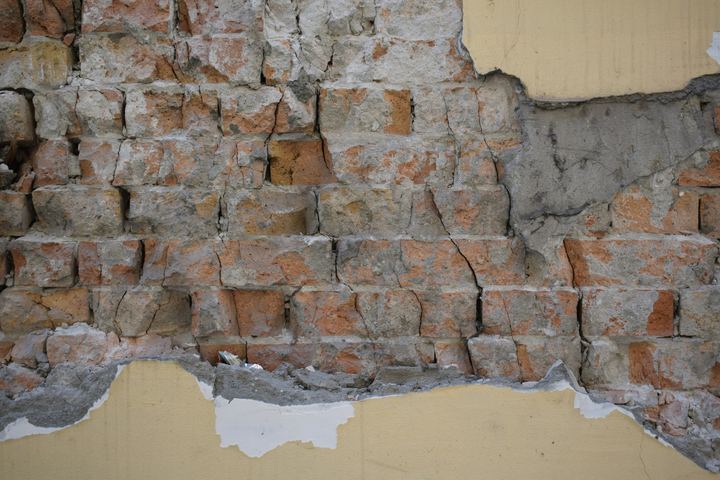
The commonest problem in older Otley houses is plaster that blows, crumbles or stains near the base of external walls. Often the walls have been patched or fully replastered in gypsum or sand and cement at some point, and that harder, less breathable layer traps moisture in the stone. The wall stays damp, salts come through and the paint keeps failing. The source of any damp needs fixing first, and we do not sell damp-proofing.
On solid pre-1919 stone, replastering in lime is often the better long-term option, because it lets moisture move out of the wall instead of holding it. Lime is applied in coats, each allowed to firm up, and finished smooth or with a softer, slightly uneven look that suits a cottage. Not every room needs it. Internal partitions and later extensions can be skimmed in the usual way.
Working in town-centre yards and listed buildings
Otley's centre is a conservation area and contains a good number of listed buildings, so it is worth checking the status of your house before removing old plaster. Listed properties may need consent for significant internal changes. Yards and narrow lanes off the main streets can mean carrying materials some distance, and we plan deliveries and waste removal around that.
Lime work takes longer than a gypsum skim because each coat cures slowly and rooms need steady ventilation while drying. We explain that timescale up front so it can be planned around. The process starts with a free visit to look at the walls and ceilings, test the existing plaster and talk through options, followed by a written quote describing materials, method and what is included.
FAQs
Plastering in Otley: questions
Why does the plaster keep blowing on my Otley stone wall?
In older Otley houses this often happens when solid gritstone walls have been covered in gypsum or cement-based plaster, trapping moisture. Salts and damp then push the plaster off. Once the cause of any damp is fixed, removing the hard plaster and replastering in lime usually helps the wall dry.
Is lime plaster smooth enough for a modern paint finish?
It can be. Lime can be finished very smooth with a fine setting coat, or left with a gentler texture that suits older rooms. It should be painted with breathable paints, such as limewash or suitable mineral or clay paints, so moisture can still escape through the surface.
Do you work on listed buildings in Otley?
We do work in older and listed properties in Otley, using lime and traditional methods where they suit the building. If your home is listed, check with the council whether consent is needed before we start, particularly for removing original plaster or features.
Can you put plasterboard on a solid stone wall?
It is possible, but on old solid stone it can trap moisture behind the board and cause problems later. For most pre-1919 walls we prefer a breathable lime finish. Dry lining is more suitable on later walls, or where a breathable system has been designed for that wall.