Thorp Arch Plastering with Breathable Lime
Lime plastering, ceiling repairs and careful renovation work for the limestone cottages and older houses of Thorp Arch, around the green, the lanes near All Saints church and the bridge to Boston Spa.
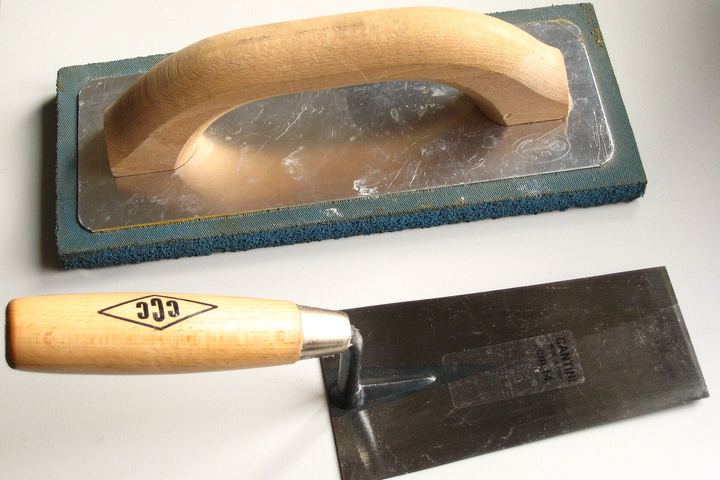
Thorp Arch · LS23
A limestone village across the river from Boston Spa
Thorp Arch sits on the opposite bank of the Wharfe from Boston Spa, linked to it by the old bridge, with houses and cottages gathered around a village green. Many of the older buildings are in local limestone, with thick solid walls, low ceilings in places and timber beams. They were built to be plastered in lime, a soft, flexible material that lets moisture move through the wall rather than trapping it.
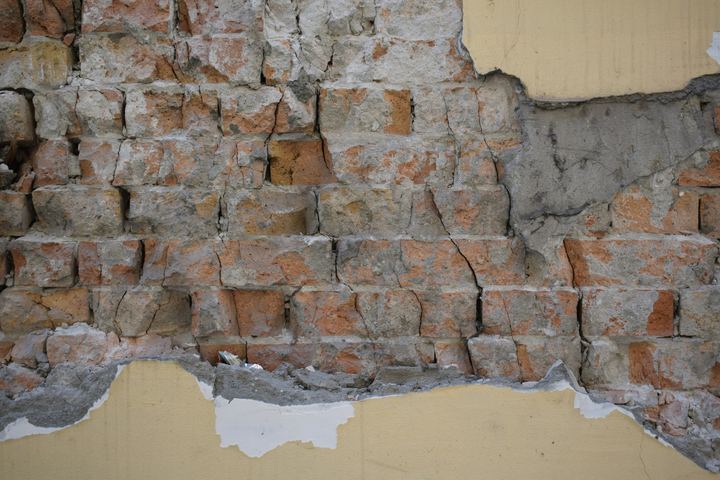
Over the years, some of these houses have been repaired with cement-based plaster or gypsum, sometimes over a whole room. On solid limestone that can cause problems, as moisture can no longer escape through the inside face of the wall. Other houses still have much of their original lime plaster and lath ceilings. Understanding what is already in place is the first step before any repair is planned.
Damp patches, failing repairs and old ceilings
The most common issues in older Thorp Arch houses are damp staining, salts and plaster coming loose on outside walls, often where a hard modern plaster has been used. The source of the moisture comes first, which may be ground levels, drainage, pointing or a hard external coating. Damp-proofing is not something we sell. Once the cause is dealt with, we remove the unsuitable plaster and replaster in lime, allowing the wall to dry naturally.
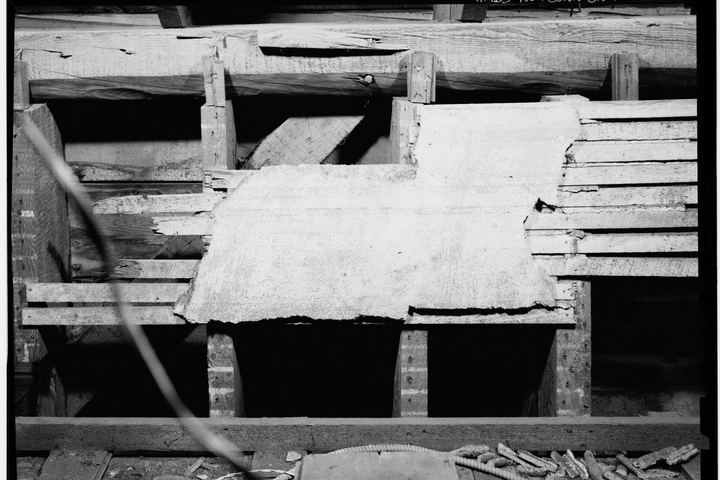
Lath ceilings in cottages can crack and sag with age. Where most of the ceiling is sound, lime repairs can secure and patch it. Where it has failed, replacing it is sometimes the sensible route, using materials that suit the building. Not every wall in an old house needs lime, and later extensions and modern rooms are often best in gypsum. We recommend what suits each part of the house.
Working carefully in an old village
If a house is listed, or in a conservation area, there may be limits on what can be changed, so it is worth checking with the council before work starts on original fabric. We can explain the lime method we would use, which helps with those conversations. In practice, that means stripping only what needs to go and building up new lime coats gradually, rather than replacing sound old plaster for the sake of it.
Lime work needs patience. Each coat must firm up before the next, and fresh lime has to be protected from frost and from drying too fast, so timings are planned with the season in mind. Lanes near the green and church can be narrow, and we take care with vans and deliveries. After a visit to see the house, we send a written quote setting out the method room by room.
Also in Thorp Arch
Everything else we do
FAQs
Plastering in Thorp Arch: questions
Why do the walls in my Thorp Arch cottage feel damp after replastering?
If the walls were replastered in gypsum or a cement-based mix, moisture in the solid limestone may be trapped behind it. Combined with any outside cause, that can lead to staining and blown plaster. We look at both the cause and the plaster, then advise whether lime replastering would help.
Can lime be used on just one wall in Thorp Arch, or does it need to be the whole house?
It can be done wall by wall. Many owners start with the outside walls that show problems. Sound internal walls with other plaster can often be left as they are. We advise on the areas that will benefit most from lime.
How long does lime plaster take to dry?
Longer than gypsum. Each coat needs time to firm up, and the final coat continues to harden for weeks afterwards. Conditions matter, so we plan timings around the season and keep the work protected from frost and fast drying.
Can you match old lime plaster on a ceiling repair?
Yes. For patch repairs on lath ceilings we use lime-based materials that work with the existing plaster, so the repair moves with the ceiling rather than cracking away from it over time.