Plastering in Barwick-in-Elmet
Careful plastering for Barwick-in-Elmet's stone houses and its later estates. Breathable lime where solid old walls need it, crisp modern skims where they do not, and honest advice on which is which.
Barwick-in-Elmet · LS15
Stone cottages round the maypole and the estates beyond
The old heart of Barwick-in-Elmet sits along Main Street and around the green with its tall maypole, where many houses are built from local stone with thick solid walls and no cavity. Those older properties were originally plastered with lime, sometimes laid straight onto the stone and sometimes on timber laths for ceilings and partitions. Much of the village centre lies within a conservation area, so external character matters as much as what happens inside.
Move out from the lanes around All Saints' church and the picture changes. Later twentieth century estates brought brick cavity-wall semis and detached homes, plastered with gypsum and plasterboard like most houses of that age. Within a few hundred yards you can go from a wall that needs to breathe to one that is happy with a standard skim. Knowing the difference is the starting point for any job here.
Why some Barwick walls need lime and others need a skim
Solid stone walls move moisture through themselves. When old lime is replaced with gypsum or cement, that moisture can get trapped, leading to flaking paint, salt marks and plaster that blows away from the stone. For pre-1919 solid walls we often recommend lime plaster for repairs and replastering, matched as closely as possible to what is already there. Not every old house needs it, and we will say so if a modern finish is fine.
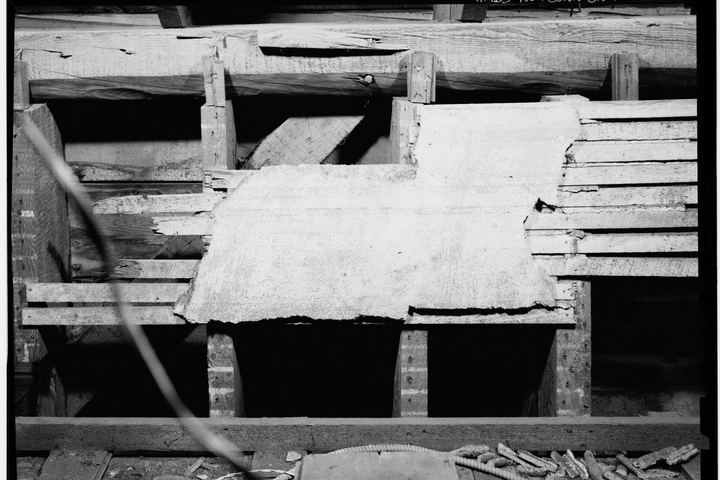
Lath and plaster ceilings in the older cottages are another regular job. Sagging sections can sometimes be secured and patched in lime, while badly failed ceilings may need new boards fixed under the joists and skimmed. In the later houses the work is more familiar: textured ceilings sealed and skimmed after a sample test, cracked plaster cut back and made good, and walls reskimmed after rewiring or new kitchens.
Planning plasterwork in a village house
Older cottages tend to have narrower stairs, low doorways and uneven floors, so we bring boards and materials in carefully and protect floors and woodwork throughout. Lime work runs at a slower pace than gypsum because each coat needs time to cure, and drying conditions in the house matter. We explain the timescale at the start so you can plan around it, rather than discovering it halfway through.
Every job begins with a visit. We look at the walls, check what the existing plaster is made of, and find out whether there are signs of damp that need a cause fixed first. You receive a written quote that explains the method for each room. Where a house is within the conservation area and the work touches anything external, we suggest checking with the council before it goes ahead.
Services
Most asked-for in Barwick-in-Elmet
Also in Barwick-in-Elmet
Everything else we do
Next door
Areas nearby
FAQs
Plastering in Barwick-in-Elmet: questions
Is lime the right plaster for a stone house in Barwick-in-Elmet?
If the walls are solid stone and the house predates 1919, lime is often the right choice because it lets the wall breathe. It is not automatic, though. Some older houses have already been altered, and some rooms suit a modern finish. We check the walls at the visit and explain the reasoning.
Can a cracked lath and plaster ceiling be saved?
Often it can. If the laths are sound and the plaster is still keyed in, loose areas can be secured and patched. If large sections have lost their grip, fixing new boards beneath and skimming is usually more practical. We look at it from below and, where possible, from above before suggesting either.
Do you work on the newer estates in Barwick-in-Elmet too?
Yes. The later houses away from the village centre are mostly brick cavity-wall homes, and they need the usual modern work: skimming, textured ceilings sealed and covered after testing, plasterboarding and crack repairs. We quote those in exactly the same way as the older cottages.
Why does lime plastering take longer than a normal skim?
Lime sets by slowly absorbing carbon dioxide from the air, so each coat needs time to firm up before the next goes on. Rushing it causes cracking. Gypsum sets chemically and much faster. The extra time is part of getting a lime finish that lasts on an old stone wall.