Plastering in Belle Isle, South Leeds
Skimming, ceiling repairs and coving for the brick semis and short terraces of Belle Isle, the inter-war estate laid out around Belle Isle Circus and the crescents off Middleton Road.

Belle Isle · LS10
An inter-war estate with a clear layout
Belle Isle was built as a council garden estate between the wars, planned with wide verges, gardens front and back and roads curving out from Belle Isle Circus. The houses are mostly brick semis and short blocks of four, with some later post-war additions filling the gaps. Many are now privately owned, and plenty have had kitchens, bathrooms and windows replaced over the years.
Inside, the walls were typically plastered in a sand and cement or early gypsum backing with a thin finish coat, and ceilings were often lath and plaster in the earliest houses, with board used more widely as building went on. That mix means two neighbouring houses on Belle Isle Road can have quite different ceilings, so we always check before we quote.
Tired rooms, cracked ceilings and old textured coatings
After decades of redecoration, walls in these houses often end up uneven, with filled holes, old wallpaper adhesive and patched chases from rewiring. A full skim over sound plaster is usually the quickest way to get them flat again. Where the backing has gone hollow in places, we cut out the loose sections and patch them first so the skim has something solid to hold on to.
Many Belle Isle ceilings were given a stippled or swirled textured coating in the 1970s and 80s. Older coatings like this are sample-tested before anyone disturbs them. The usual fix is to seal and skim over, or overboard and skim, and we never sand or scrape it. Adding coving at the same time hides the joint between wall and ceiling and gives a square room a finished look.
How a plastering job runs on the estate
Semis on the estate usually have a side path or a front garden, which makes it easier to mix materials outside and keep the mess out of the house. Most jobs here are a room or two at a time, so you can stay living in the house while the work is done. Furniture is moved or covered, floors sheeted and doors masked off before we start.
We come out first to look at the rooms, check the ceilings and talk through what you want. You get a written quote that spells out the work, whether that is a straight skim, patching and skimming, overboarding a ceiling or fitting coving. If you are also having electrics or a new boiler done, it is best to get those finished before we plaster.
Services
Most asked-for in Belle Isle
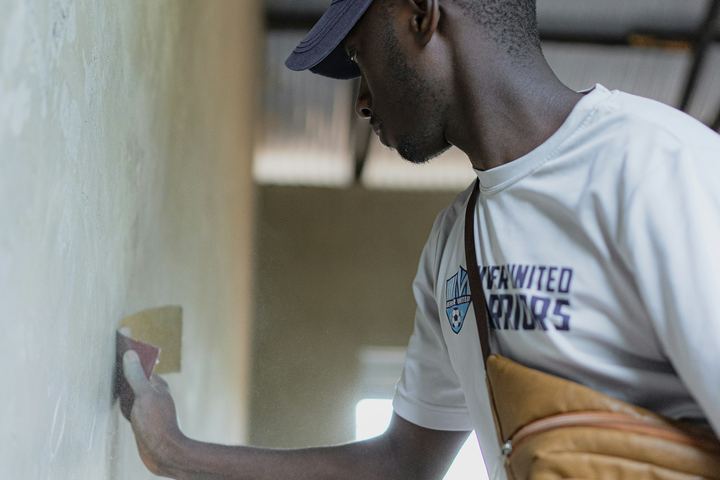
Skimming & reskimming
A thin, hard new face on walls and ceilings that are sound underneath but look tired, patched or lumpy.
See the service
Artex covering & removal
Swirls, stipples and peaks made flat again.
See the service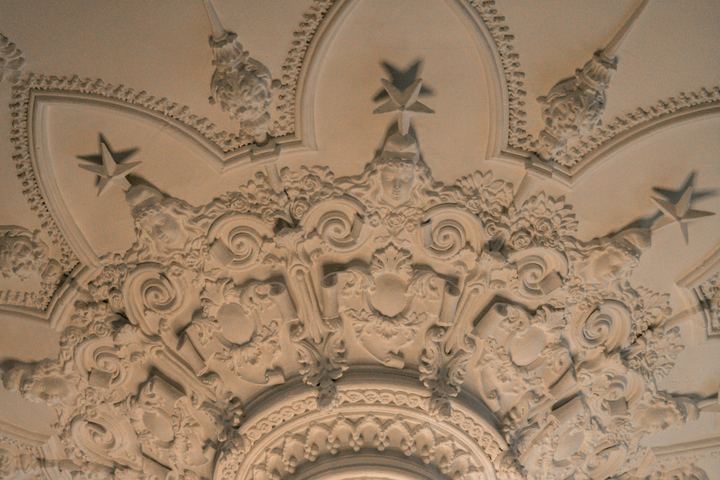
Coving & cornice
The line where wall meets ceiling, done properly.
See the serviceAlso in Belle Isle
Everything else we do
FAQs
Plastering in Belle Isle: questions
What does a skim actually do for walls in a Belle Isle semi?
A skim is a thin coat of finishing plaster laid over sound walls. In Belle Isle semis it smooths out years of filler, old adhesive and patched chases, leaving a flat surface ready for paint. It only works if the plaster underneath is well bonded, so loose areas are repaired first.
Can you cover the swirled textured ceiling in my house?
Yes. We sample-test older textured coatings before touching them, then either seal and skim over the top or fix new plasterboard and skim that. Both give a flat ceiling without sanding or scraping the original coating off.
Is coving worth adding in an inter-war house in Belle Isle?
It often suits these rooms well. Coving hides the line where wall meets ceiling, covers small cracks that tend to open at that joint and gives a plain room a more finished feel. We fit it after skimming so it sits tight to fresh, flat surfaces.
How long should I leave fresh plaster before painting?
It depends on thickness, the time of year and ventilation, but a skim usually needs several days to a couple of weeks to dry fully. It will turn from dark to an even pale pink. Then apply a thinned mist coat first so the paint bonds properly.