Plasterers Working Across Beeston
Plastering for the Victorian and Edwardian terraces of Beeston, LS11. Lath and plaster ceiling repairs, replastering, skimming and tidy patch work, from Town Street down to the rows around Cross Flatts Park.
Beeston · LS11
Beeston's brick terraces and how they were plastered
Beeston grew quickly in the late Victorian and Edwardian years, and long red-brick terraces still fill the slopes around Cross Flatts Park and off Old Lane. These houses were built with solid brick walls, no cavity, and plastered by hand in lime-based mixes. Ceilings were formed on thin timber laths nailed to the joists, with the plaster pushed through the gaps to grip. It was a good system, and plenty of it is still up there.
More than a century on, though, most houses are a patchwork. One room might have its original lime plaster, the next a 1960s gypsum replaster, and the back bedroom a sheet of plasterboard fixed over a failed ceiling. Knowing which is which matters, because the repair has to suit what is already on the wall. We check each surface before quoting rather than assuming the whole house is the same.
Sagging ceilings, blown walls and what we do about them
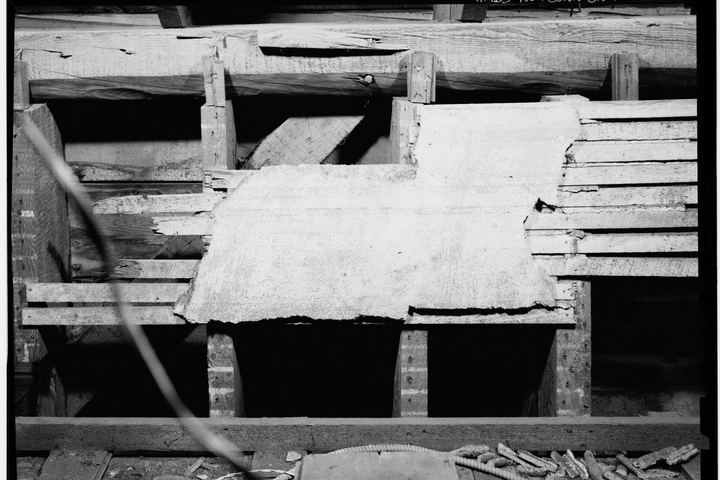
Lath and plaster ceilings fail slowly. The nibs that hold the plaster to the laths break over time, often from vibration, a past leak or someone working in the loft, and the ceiling starts to bow. Small areas can sometimes be secured and patched. Where a ceiling is sagging across the room, the safer answer is usually to take it down carefully, or overboard it, then board and skim to a flat finish.
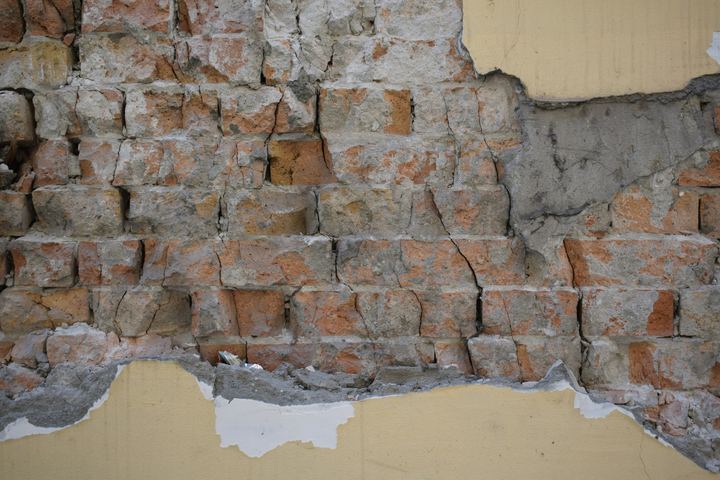
On walls, the common complaint is hollow, loose plaster that sounds drummy when tapped, especially low down on outside walls. If damp is behind it, the cause needs sorting first, whether that is a leaking gutter, raised ground levels or a cement render that has trapped moisture. We do not sell damp-proofing. Once the wall has dried out, we can replaster it, using lime on the solid brick where that suits the house better than gypsum.
Working inside a Beeston terrace
Terraced houses bring their own logistics. Front doors open straight onto the pavement or a small yard, the stairs are steep and the rooms are compact, so we bring materials in tidily and keep the work area tight. Street parking near Town Street can be busy at times, so we plan deliveries and loading around that. If a ceiling is coming down, the room is sealed off and the debris bagged and taken away as we go.
Every job starts with a visit to see the house in person. We tap the walls, look at the ceilings from below and, where possible, from the loft, and explain what we have found in plain terms. The written quote then breaks the work down room by room so you can do it all at once or stage it over time. Nothing starts until you are happy with the plan.
FAQs
Plastering in Beeston: questions
My Beeston terrace has a cracked lath and plaster ceiling. Does it all need to come down?
Not always. Fine cracks on a ceiling that is still firmly attached can often be repaired and skimmed. If it moves when pressed, sounds hollow over a wide area or is visibly dropping, it is time to replace or overboard it. We check from below and from the loft before advising.
Should solid brick walls in an old terrace be replastered in lime?
It depends on the wall. Lime lets solid brick breathe and suits many pre-1919 houses in Beeston, particularly on outside walls that struggle with moisture. Where a wall has already been replastered in gypsum and is sound, it may make more sense to keep that system. We advise once we have seen it.
Can you plaster over a wall that is still damp?
No. Plastering over an active damp problem just hides it for a while. The cause needs to be found and fixed first, then the wall left to dry. After that we can replaster with a suitable material. We do not sell damp-proofing, so our advice is not tied to selling a treatment.
Can you patch walls after an electrician has chased in new cables?
Yes. Rewiring in older terraces often leaves long chases and holes around sockets and switches. We fill and patch them so they sit flush, and where a wall has been badly broken up, a full skim gives a cleaner result than lots of small patches showing through the paint.