Kirkstall Plastering, Terrace by Terrace
Plastering for Kirkstall's Victorian terraces on the slopes above the Aire and the mill conversions down by the river, covering everything from crumbling lath ceilings to a clean skim before you paint.
Kirkstall · LS5
Terraces above the abbey and conversions by the river
Much of Kirkstall's housing is Victorian, with rows of brick terraces climbing the hillsides off Kirkstall Lane and around Beecroft Street. These houses were built with solid walls, lime plaster and lath and plaster ceilings, and many still have at least some of that original fabric. Closer to the river and Bridge Road, older industrial buildings have been converted into flats, bringing very different construction into the same postcode.
The terraces vary in size, from two-up two-down houses to larger through terraces with bay windows and attics. Many have had cellars converted, lofts turned into bedrooms and back rooms knocked through. Each change brought new materials into an old building. A single Kirkstall terrace might hold original lime on the party wall, gypsum patches in the kitchen and plasterboard in the loft room, all needing slightly different treatment.
Lath ceilings, damp cellars and steep hillside houses
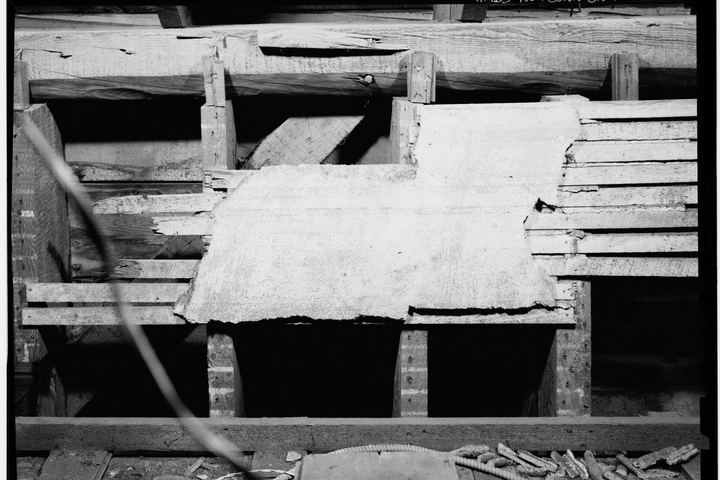
Original lath and plaster ceilings are common here, and many are now past their best. Cracks along the joists, bulges and loose sections usually mean the plaster has lost its key on the laths. Firm ceilings with minor cracking can be secured and skimmed. Sagging or loose ones are taken down and replaced with new board, finished to a smooth surface, keeping any cornice that is worth saving.
The hillside setting affects the walls. Houses built into slopes often have walls partly below ground at the back or in the cellar, and these can stay damp if moisture has no way out. The cause must be addressed first, as we do not supply damp-proofing. On solid pre-1919 walls that need replastering, lime is often a better match than gypsum, because it allows the wall to dry rather than trapping moisture behind a hard coat.
Getting the work done in a Kirkstall terrace
Terraced streets mean front doors open close to the pavement and materials come through the house, so we protect hallways, stairs and doors before anything else. Old plaster from a ceiling or wall is bagged inside and carried out, not thrown into an open skip on the street where it can blow about. Steep streets also mean planning where the van can sit safely while we unload.
In the converted flats, the work is more often board repairs, skimming and making good, with the building's own rules on access and hours to follow. Whatever the property, the first step is a free visit to look at the walls and ceilings and agree what needs doing. We then send a written quote that lists each room and the materials we plan to use.
Also in Kirkstall
Everything else we do
Next door
Areas nearby
FAQs
Plastering in Kirkstall: questions
Should I keep the lath and plaster ceilings in my Kirkstall terrace?
If they are firm and only lightly cracked, keeping them is usually worthwhile because they suit the house and deaden sound well. Where a Kirkstall ceiling is sagging or has loose sections, replacement is safer. We check each ceiling at the visit and explain which way we would go.
Can you plaster a converted cellar?
We can plaster a cellar room once it is dry and the right preparation is in place. Below-ground walls hold moisture, so any damp or water ingress has to be sorted by a specialist first. We then choose a plaster or board system that suits the wall and the way the room will be used.
Why is my terrace plaster coming away in sheets?
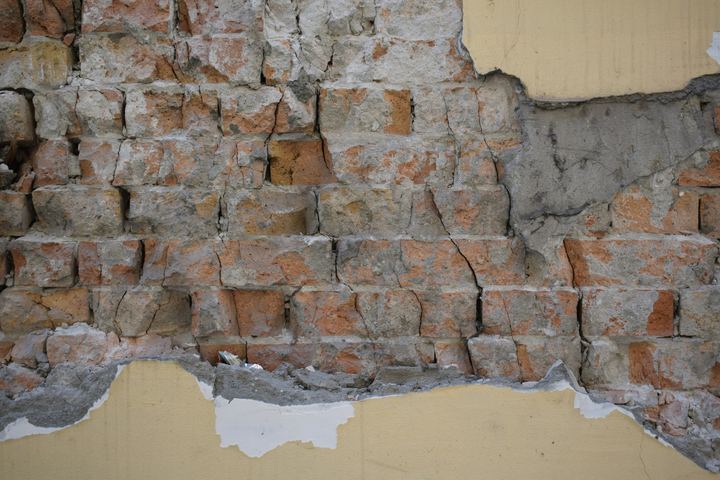
Old lime plaster can lose its bond with the brick after decades of patching with harder materials, leaks or heavy wallpaper removal. When it starts to come away in sheets, the area is cut back to sound plaster and rebuilt. On solid walls we often suggest lime to match what is already there.
How do you deal with dust in a small Kirkstall house?
Ceiling and wall removal in a compact Kirkstall terrace is dusty, so we seal doorways with plastic sheeting, keep windows open where we can and bag debris as we go. Skimming is much cleaner. We clean up each day and leave the house usable outside the rooms being worked on.