Plasterers Covering Hawksworth and Hawksworth Wood
Skimming, ceiling repairs and patch plastering for the semis and short terraces of the Hawksworth Wood estate, off Hawksworth Road and the outer ring road above the Aire valley.

Hawksworth · LS5
The Hawksworth Wood estate and its houses
The Hawksworth Wood estate was built mainly between the wars as council housing, on the slopes above Kirkstall and the Aire valley. Its crescents are lined with brick semis and short blocks of houses with gardens, and some later post-war homes were added as the estate filled out. A good number are now owner-occupied and have been modernised in stages.
Walls in these houses are usually brick with a plaster backing and thin finish coat. Ceilings vary. Some of the earliest homes had lath and plaster, while many others have plasterboard or later replacement boards. Over the decades, rooms have collected filler, layers of paint and paper, rewiring chases and the odd patch from leaks, which all add up to walls and ceilings that look tired.
What older semis on the estate usually need
A full skim is the job we are asked for most in these houses. Once old paper is off and loose areas are repaired, a fresh finish coat gives flat walls that take paint well. If a wall sounds hollow in larger sections, it is better to strip back and replaster that wall rather than skim over a weak base.
Ceilings often have fine cracks running along the board joints or around the light fitting, sometimes with a textured coating applied years ago. Cracks can be cut out and taped before skimming. Textured coatings are sample-tested before any work, then sealed and skimmed or overboarded. Where a ceiling has sagged after a leak, we replace the damaged section with new board, once the leak itself has been sorted.
Practical points for plastering here
Most houses on the estate have front gardens and many have side access, which helps when bringing in boards and mixing materials. Rooms are a manageable size, so a typical skim or ceiling job can be done one room at a time without clearing the whole house. We sheet floors, protect stairs and keep dust contained to the room we are working in.
We will visit, look at each wall and ceiling, and ask what else is planned, such as new windows or electrics, because those are best done before plastering. You then get a written quote that separates skimming, patching and any replastering, so you can see exactly where the time and materials go.
Services
Most asked-for in Hawksworth
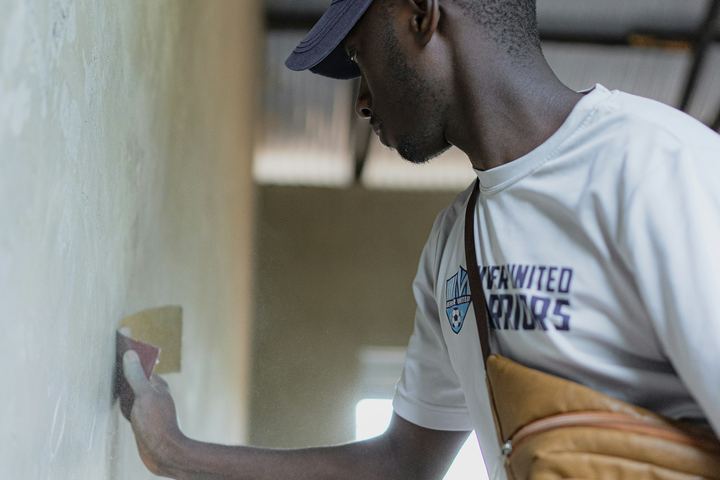
Skimming & reskimming
A thin, hard new face on walls and ceilings that are sound underneath but look tired, patched or lumpy.
See the service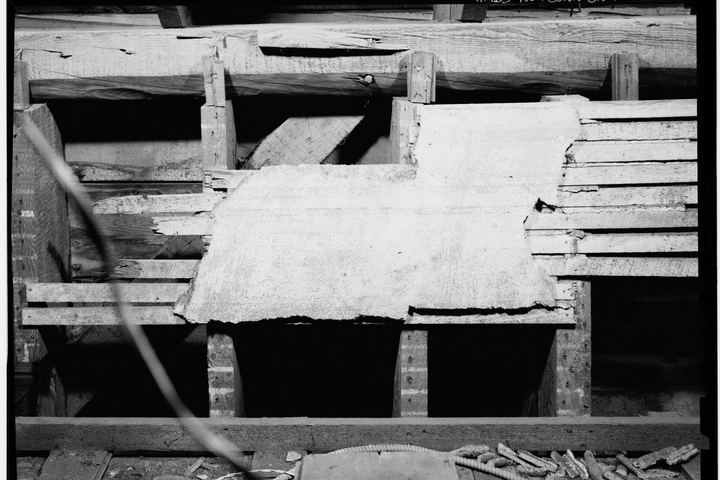
Ceiling repairs & replacement
Cracked, sagging, stained or brought down by a leak.
See the servicePatch & crack repairs
Holes left by the electrician, cracks over doorframes, knocked corners and the patch where the old boiler used to be.
See the serviceAlso in Hawksworth
Everything else we do
FAQs
Plastering in Hawksworth: questions
Why do the ceilings in my Hawksworth semi keep cracking along straight lines?
Straight cracks usually follow plasterboard joints that were never properly taped, or boards that have moved slightly over time. In Hawksworth Wood semis this is common. We cut the joints out, tape and fill them, then skim the whole ceiling so the lines do not show again.
What should be done before a room in Hawksworth is skimmed?
Ideally any new windows, rewiring, plumbing changes or radiator moves should be finished first, as they all damage plaster. Old wallpaper should come off. We can then repair any loose areas and skim, leaving the room ready for decorating.
Can you repair a ceiling that came down after a leak?
Yes, once the leak has been fixed and the timber above has dried. We remove the damaged section, fix new plasterboard, tape the joints and skim it in so it blends with the rest. If much of the ceiling is affected, overboarding the whole thing may be neater.
Do you work on both the older and newer houses in the area?
We do. The estate's inter-war semis and the later post-war homes nearby each have slightly different walls and ceilings, and we check what is behind the surface before deciding on skimming, patching or replastering.