Thorner Plastering, Traditional and Modern
Thorner's stone cottages and farmhouses were built to breathe, and the plaster inside them should let them. We use lime where it belongs and modern materials where they suit, finished cleanly either way.
Thorner · LS14
Limestone cottages and farmhouses along Main Street
Thorner is an old village of pale limestone, with cottages, farmhouses and former farm buildings along Main Street, up Bramham Road and in the lanes around St Peter's church. Much of the village is a conservation area, and its older properties have thick solid walls built without a cavity or modern damp course.
Inside, those walls were plastered in lime, often applied directly to uneven stone, with lath ceilings fixed between heavy timber beams. Barn conversions and later houses add another layer, with insulated stud walls and plasterboard ceilings. One property can easily include both, and the junction between old and new needs as much thought as either part.
Letting old walls breathe again
A common problem in Thorner's cottages is gypsum or cement plaster that has been applied to old stone in past refurbishments. It can look fine for a few years, then start to blister, flake or show salt marks near the floor and around openings. Where there is a source of damp, such as a leaking pipe or high ground outside, that must be fixed first, and we do not sell damp products.
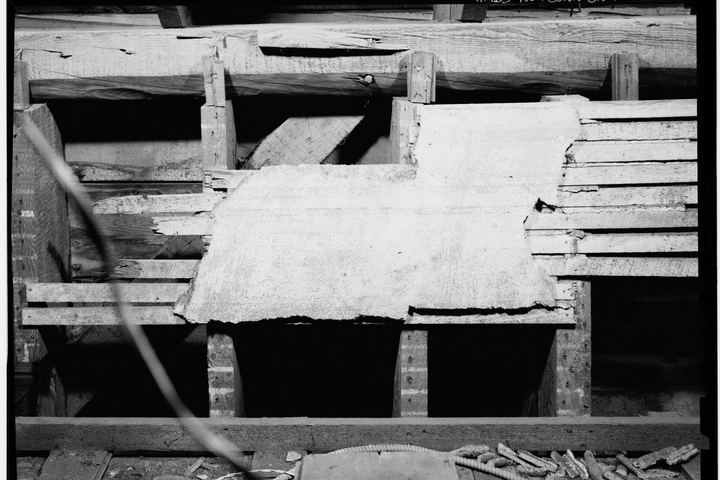
Where it is right for the wall, we take off the hard plaster, let the stone dry and build up new coats of lime. The finish can be flat and smooth or follow the gentle undulations of the wall, which many owners prefer in a cottage. Lath ceilings can be repaired in lime as well, and plain or moulded cornice reinstated where it suits the room.
Planning lime work in Thorner
Lime needs time between coats and does not like frost, so we plan jobs around the weather and the curing period. A room is usually completed in stages over several visits, and we explain the timeline clearly before starting. Because much of Thorner is a conservation area, and some homes are listed, check with the council whether any consent is needed.
To get going, we arrange a free visit. We look at each wall, how it has been treated before and whether lime or a modern system is the better choice. You then get a written quote that sets out materials, stages and timings, so there are no surprises once the work is underway.
Services
Most asked-for in Thorner
Also in Thorner
Everything else we do
FAQs
Plastering in Thorner: questions
Is lime plaster right for my Thorner cottage?
For many of Thorner's solid limestone cottages, lime is the most suitable plaster because it lets the walls breathe. It is not essential everywhere, though. We look at the wall, past repairs and any damp issues before recommending it.
Why is the plaster near the floor of my cottage flaking?
Flaking or salty plaster low on a stone wall often means moisture is trapped behind a hard coat. The cause, such as raised ground or a leak, needs fixing first. Then replacing the hard plaster with lime usually gives a lasting result.
Do you plaster barn conversions in Thorner?
Yes. Converted barns in and around Thorner often combine old stone walls with new insulated stud walls. We plaster each part in the right material and pay particular attention to the junctions, which is where cracks tend to appear.
Can lime plastering be done in winter?
Lime does not like frost while it is curing, so cold spells need care. Indoor work in a heated house is often fine, but we plan around the weather and tell you at the quote stage if timing matters.